Description
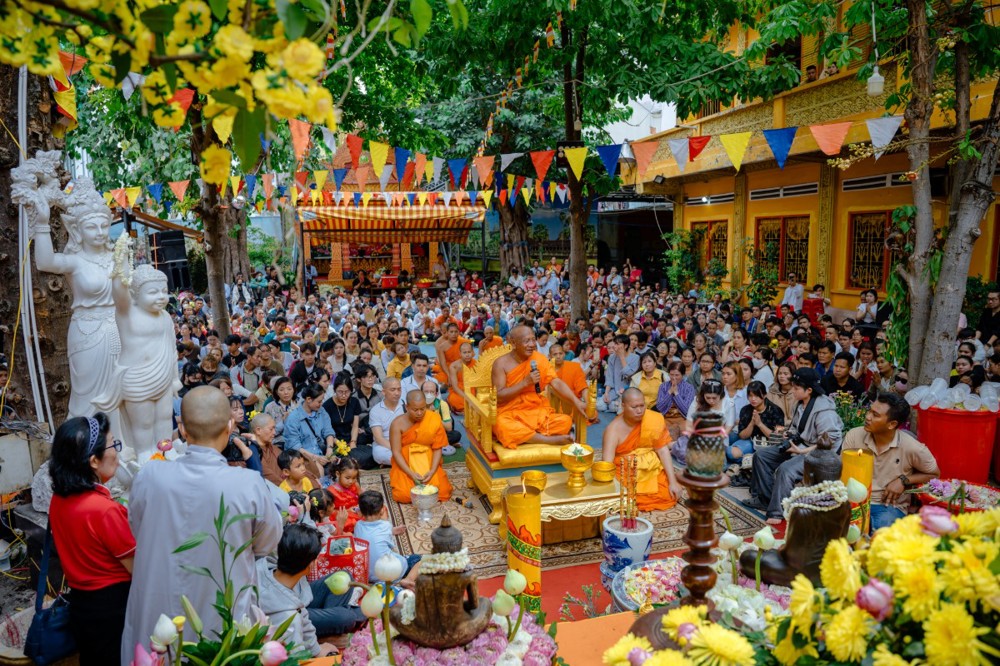
Khmer New Year at Southern Buddhist temples with sand mound building, Buddha bathing, and ngo boat racing competitions.
Chol Chnam Thmay (Khmer New Year) is the largest annual, three-day festival for the Khmer people, typically held in mid-April (April 14–16) to mark the end of the dry season and the new harvest cycle. It is a time for family reunions, temple visits to offer food, cleaning houses, and festive activities like traditional dances and water splashing.
Key Traditional Rituals and Days:
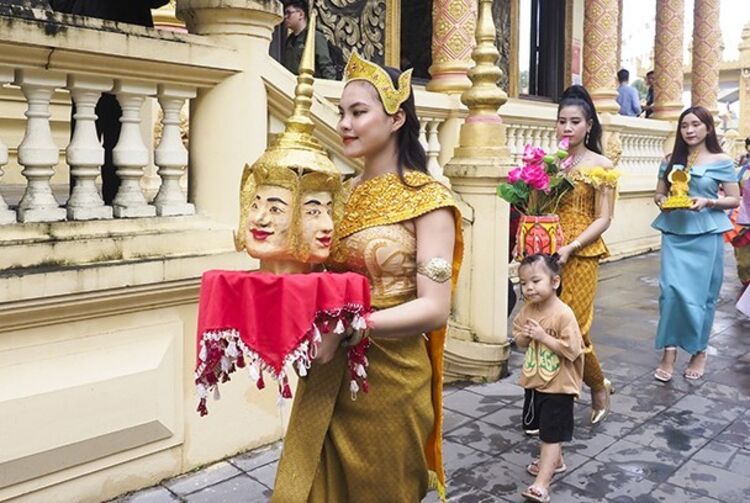
Moha Songkran (Day 1): People dress in their finest clothes, visit local pagodas for the Mahasangkran procession, and offer food to monks.
Wanabat / Virak Vanabat (Day 2): Families offer gifts to parents/elders, visit pagodas to build sand hillocks (symbolizing the universe/merit-making), and give charity to the poor.
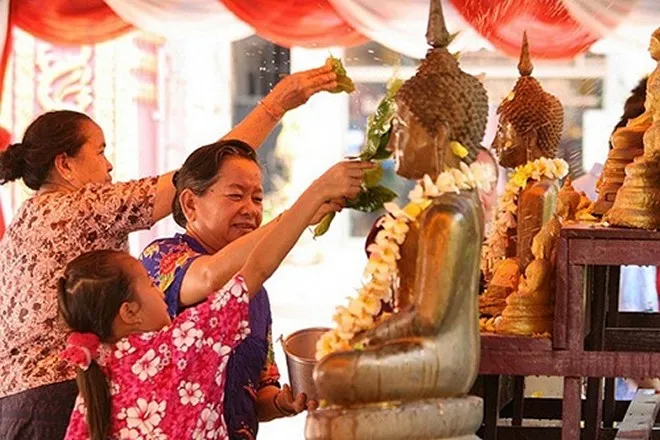
Tngai Laeung Saka / Vearak Loeng Sak (Day 3): The final day involves the Srohm Chhat (bathing the Buddha statues) and bathing elders and monks with scented water to ask for forgiveness and receive blessings.
Festive Activities: Traditional games like chol chhoung (throwing chhoung bags), bos angkunh (seed throwing), and loak sang (pot smashing) are popular, along with traditional performances.
Cultural Significance:
Family & Community: It is a time to pay respect to ancestors and elders, fostering gratitude and community solidarity.
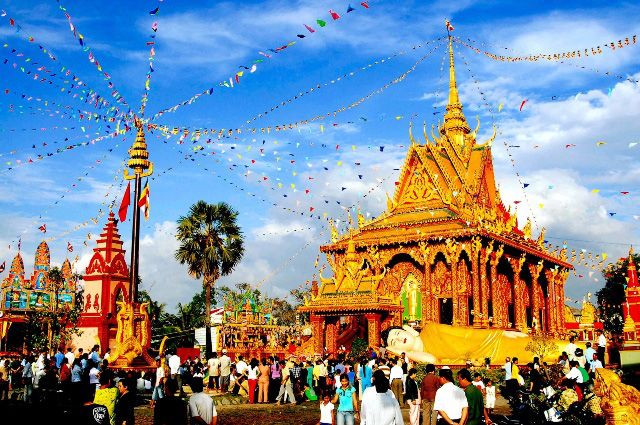
Culture & Tradition: The celebration highlights Khmer traditions, including dressing in traditional attire, preparing traditional foods like Num-Chrut (Tet cake), and visiting traditional, ornate pagodas, as noted on this page and in Wikipedia's article.
Regional Celebration: While primarily in Cambodia, it is celebrated by the Khmer ethnic minority in Vietnam, particularly in the Mekong Delta region
Location
-
Cần Thơ, Vietnam